What Is Assisted Living?
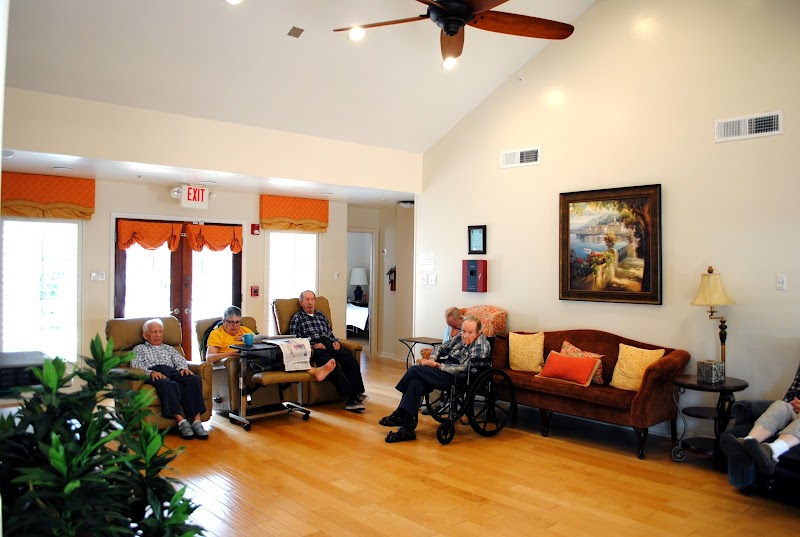
Assisted living communities provide housing, meals, and help with activities of daily living (ADLs) such as bathing, dressing, and medication management. Residents maintain their independence while having trained staff available around the clock. These communities serve older adults who need regular support but do not require the level of medical care found in a skilled nursing facility.
Most assisted living residents receive help with two or more ADLs. Common services include medication reminders, meal preparation, transportation to medical appointments, and coordination with outside healthcare providers. Many communities also offer social programming, exercise classes, and organized outings.
Texas HHSC Licensing
In Texas, the Health and Human Services Commission (HHSC) licenses all assisted living facilities. The state divides them into two categories based on the level of care they can provide:
- Type A: Serves residents who can follow directions and take action for self-preservation during emergencies. These communities handle lower-acuity care needs.
- Type B: May serve residents who cannot independently follow emergency directions or evacuate without staff help. Type B facilities handle higher acuity needs, and many memory care units operate under this license.
HHSC conducts annual inspections and investigates complaints filed against licensed communities. Families can look up any facility's inspection history through the HHSC TULIP online portal before scheduling a tour.
What to Expect
- Private or semi-private apartments, often with kitchenettes
- Three prepared meals daily in a communal dining room
- Assistance with bathing, grooming, and dressing
- Medication reminders or direct medication management
- Social activities, outings, and wellness programs
- Housekeeping, laundry, and maintenance services
- 24-hour staff availability and emergency response systems
Cost of Assisted Living in Houston
Assisted living in Greater Houston typically costs between $3,000 and $5,500 per month, according to the most recent Genworth Cost of Care Survey data for Texas. The base rate usually covers a room, meals, housekeeping, and a set number of care hours per day. Communities often charge additional fees when residents need more hands-on support or move to a higher care level.
Some families offset costs through long-term care insurance, the VA Aid and Attendance pension benefit (for qualifying veterans and surviving spouses), or the Texas STAR+PLUS Medicaid Waiver, which can cover certain assisted living services for individuals who meet both financial and medical eligibility requirements. Not all communities accept every payment source, so confirming coverage during the initial inquiry is important.
How to Evaluate Assisted Living in Houston
With more than 410 licensed assisted living communities across Greater Houston, families have a wide range of options. Suburbs like Katy, Sugar Land, and The Woodlands have especially high concentrations of communities. During tours, ask about staff-to-resident ratios, caregiver turnover rates, and how the community handles care level increases over time. Review the most recent HHSC inspection report, read Google reviews from current and former families, and visit at different times of day to see how the community operates during meals, activities, and quieter periods.