What Is a Residential Care Home?
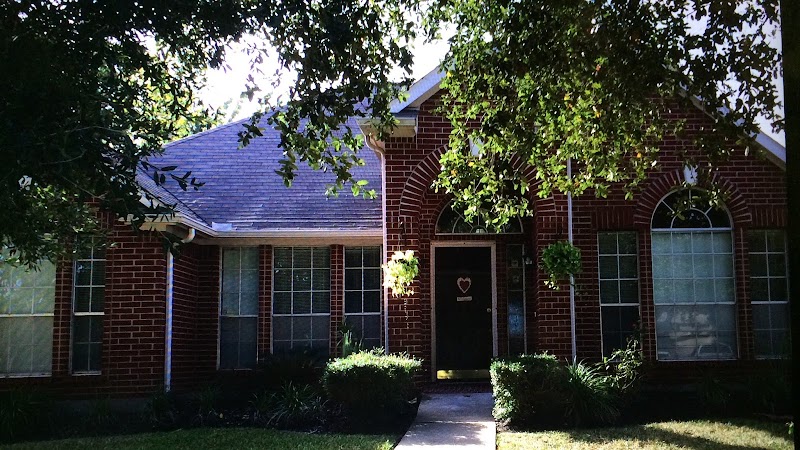
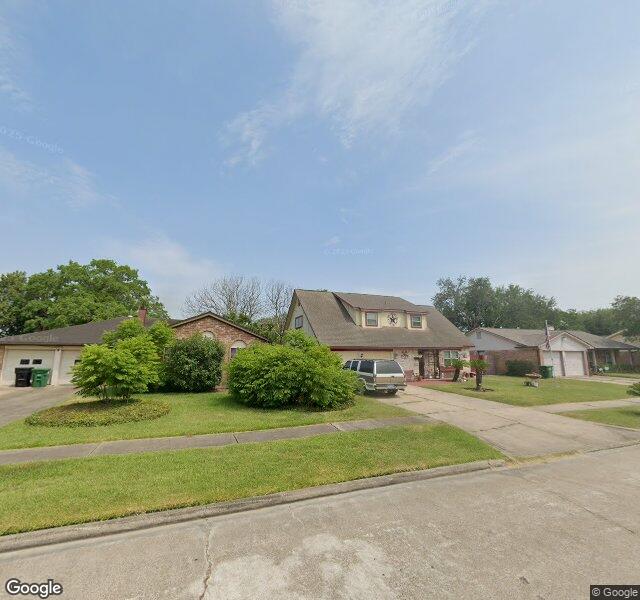
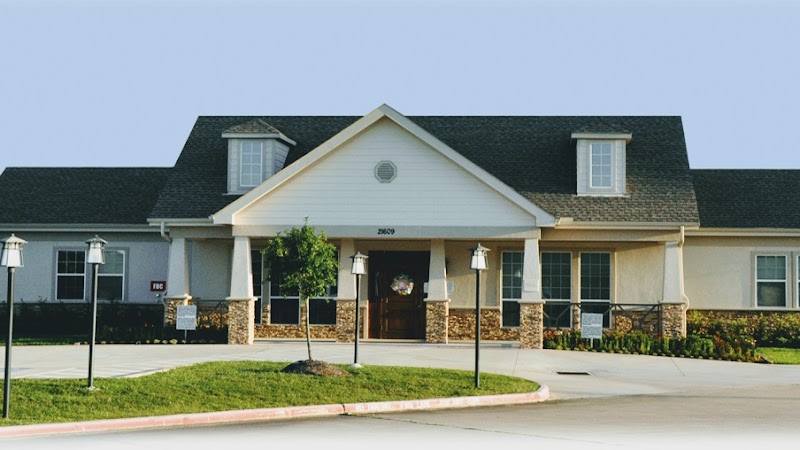
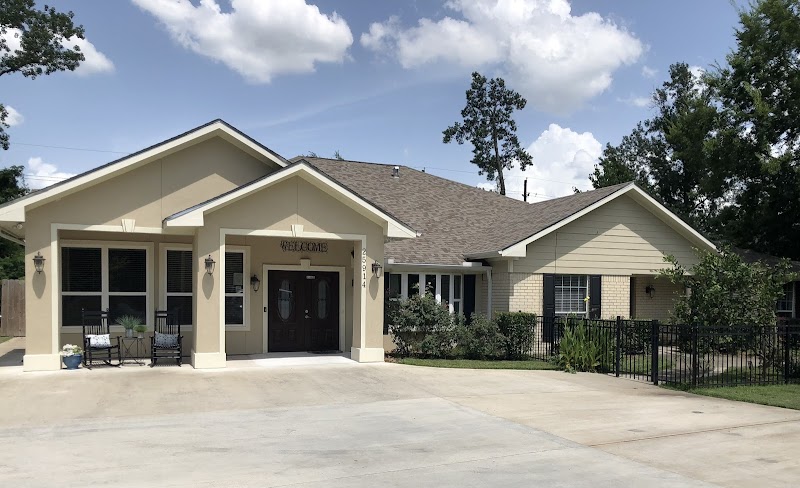
Residential care homes are small senior living facilities, typically housed in converted single-family homes, that serve between 3 and 16 residents. They provide the same core services as larger assisted living communities (help with ADLs, medication management, meals, and 24-hour supervision) but in a setting that feels more like a private household than an institution.
These homes are located in regular residential neighborhoods throughout Greater Houston. Residents share common living spaces, eat meals together at a family-style dining table, and receive one-on-one attention that is difficult to match in a 100-bed community.
Texas Licensing for Residential Care Homes
Residential care homes in Texas are licensed by HHSC under the same Type B Assisted Living Facility (ALF) framework that applies to larger communities. They must meet the same staffing, training, and safety standards. HHSC inspects these homes annually and investigates any complaints. Families can verify a home's license status and review its inspection history through the HHSC TULIP online portal.
Benefits of Residential Care
- Higher staff-to-resident ratios: With fewer residents, caregivers can provide more individualized attention throughout the day
- Home-like environment: Located in residential neighborhoods rather than commercial corridors, these homes feel familiar and comfortable
- Family atmosphere: Small group sizes allow residents to form close relationships with both staff and housemates
- Personalized routines: Daily schedules can be adapted to individual preferences rather than following a rigid institutional timetable
- Often more affordable: Monthly costs for residential care homes are frequently lower than larger assisted living communities due to lower overhead
Cost of Residential Care in Houston
Residential care homes in the Greater Houston area typically cost between $1,800 and $3,500 per month, making them one of the most affordable options for seniors who need daily assistance. Pricing depends on the level of care required, room type (private vs. shared), and the specific home's location and amenities. Some homes accept the Texas STAR+PLUS Medicaid Waiver or VA Aid and Attendance benefits, though availability varies.
Is a Residential Care Home Right for Your Loved One?
Residential care works well for seniors who prefer a quieter environment, those who feel overwhelmed or anxious in larger communities, and individuals whose families want a close relationship with the caregiving staff. They are also a good fit for older adults who are relatively independent but need reliable daily support with meals, medications, and personal care.
When evaluating residential care homes, visit the actual home rather than relying on photos alone. Speak with the owner or manager about staff qualifications, overnight coverage, and how they handle medical emergencies. Ask whether current families are willing to share their experience. Because these homes are small, the quality of care depends heavily on the individual operator, making firsthand visits and references especially important.