What Is Memory Care?
Memory care is a form of residential senior care built specifically for individuals living with Alzheimer's disease, vascular dementia, Lewy body dementia, frontotemporal dementia, and other cognitive conditions. These communities combine 24-hour supervision with structured therapeutic programming in a physically secured setting.
Unlike standard assisted living, memory care units are designed from the ground up to reduce confusion and anxiety. Hallways often loop back to common areas so residents cannot get lost. Color-coded signage, simplified room layouts, and controlled lighting all contribute to a calmer environment. Staff members receive specialized training in redirecting difficult behaviors, communicating with residents at various stages of cognitive decline, and recognizing changes that may signal a medical issue.
How Texas Licenses Memory Care
Texas does not issue a separate "memory care" license. Instead, memory care communities operate under Type B Assisted Living Facility (ALF) licenses issued by the Health and Human Services Commission (HHSC). The Type B designation means the facility can serve residents who cannot independently follow emergency directions or evacuate without staff assistance.
HHSC requires all staff working in memory care units to complete at least 8 hours of initial dementia-specific training, plus 4 hours of continuing education each year. Annual inspections cover the same standards applied to all ALFs, with additional scrutiny on elopement prevention measures and behavioral intervention practices.
How Memory Care Differs from Assisted Living
- Secured perimeters: All exits, outdoor courtyards, and common areas are secured to prevent wandering and elopement
- Higher staff-to-resident ratios: Memory care units typically staff one caregiver for every five to eight residents, compared to one for every twelve to fifteen in standard assisted living
- Structured daily routines: Activities follow a predictable schedule, which helps reduce agitation and sundowning behaviors
- Therapeutic programming: Music therapy, reminiscence activities, sensory stimulation, and guided physical exercise are common
- Specialized training: Staff learn dementia-specific communication techniques and de-escalation strategies
Memory Care Costs in Houston
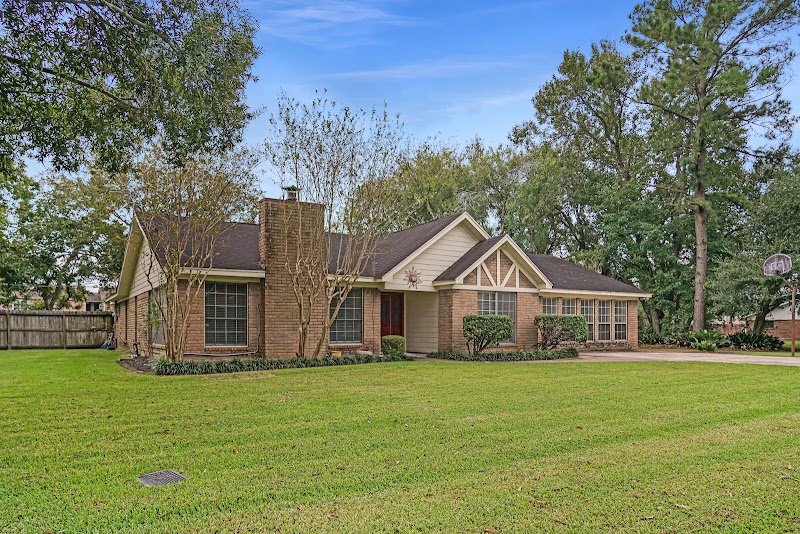
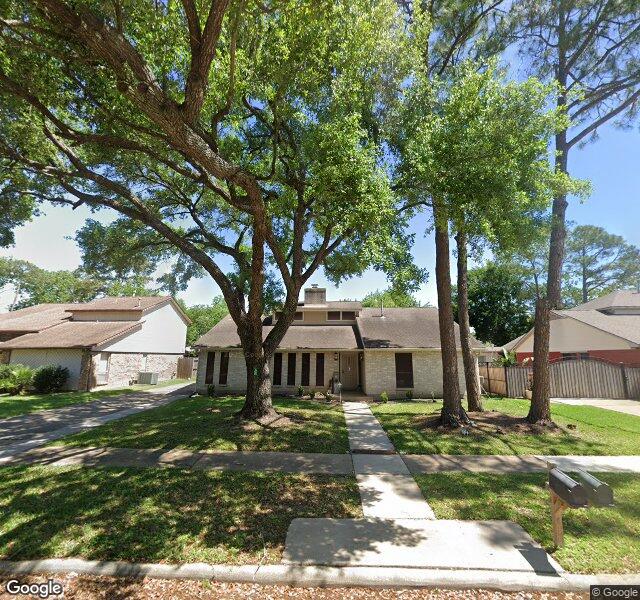
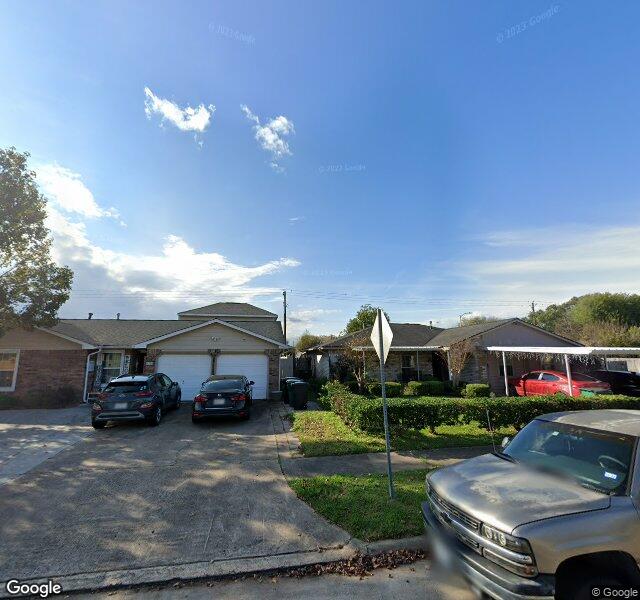
Memory care in the Greater Houston area generally costs between $4,500 and $7,000 per month, based on Genworth Cost of Care Survey data for Texas. Pricing depends on whether the resident has a private or shared room, the stage of their condition, and the size of the community. Smaller residential-style memory care homes sometimes fall at the lower end of that range, while larger purpose-built communities with extensive amenities tend toward the higher end.
Most memory care in Houston is private-pay. A limited number of communities accept the Texas STAR+PLUS Medicaid Waiver, which can partially cover costs for individuals who meet both income and medical eligibility thresholds. Long-term care insurance policies that include a cognitive impairment benefit may also apply. Families should confirm accepted payment sources with each community before touring.
When to Consider Memory Care
Memory care is typically appropriate when a loved one wanders or becomes disoriented in familiar places, can no longer manage medications safely, experiences significant personality or behavioral changes, or requires supervision throughout both day and night. A physician's cognitive assessment can help families determine the right timing. Many Houston-area communities also offer respite stays of 14 to 30 days, which gives families an opportunity to evaluate a community before making a long-term commitment.
Evaluating Memory Care in Houston
Families researching memory care should start by checking a community's HHSC inspection record through the TULIP online portal. During in-person visits, ask about staff turnover rates, the ratio of trained caregivers to residents on each shift, and how the community adapts care plans as a resident's condition progresses. Read Google reviews from other families, and try to visit during an activity period so you can observe how staff interact with residents in real time.